




Schedule Your Case Review Today
When your future is at stake, don’t face it alone. Call The Kinard Law Group today to schedule a case review with one of our experienced Lexington attorneys. We’re here to stand by your side and fight for the outcome you deserve.
Common Theft Issues in South Carolina
In South Carolina, the value of the property often decides how serious a theft charge is. Theft of property worth $2,000 or less is usually a misdemeanor handled in magistrate or municipal court. Theft of property worth more than $2,000 is generally a felony handled in the Court of General Sessions. That value can mean the difference between a maximum of 30 days in jail and up to 10 years in prison. Kinard Law Group represents clients facing theft charges in Lexington and across South Carolina.
Which Theft Charges Are Most Common?
South Carolina theft laws cover more than taking something from a store. Common theft-related charges include:
- Shoplifting and organized retail theft
- Breach of trust with fraudulent intent
- Receiving stolen goods
- Failing to return leased or rented property
- Obtaining property by false pretenses
- Financial identity fraud
Breach of trust often surprises people. This charge can apply when you first received property legally but then kept or used it with the intent to cheat the owner. For example, a dispute with an employer or contractor over money or equipment can sometimes turn into a criminal case.
What Are the Dollar Thresholds for Theft in South Carolina?
Many theft charges, including larceny, shoplifting, breach of trust, and obtaining property by false pretenses, use the same dollar amounts to set penalties. For larceny, the main thresholds are:
- $2,000 or less (petit larceny): A misdemeanor with up to 30 days in jail or a fine of up to $1,000
- More than $2,000 but less than $10,000 (grand larceny): A felony with up to five years in prison
- $10,000 or more (grand larceny): A felony with up to 10 years in prison
Shoplifting and receiving stolen goods follow similar value levels, and repeat offenses can lead to higher penalties.
The value of the property is often disputed. For example, used property is sometimes valued as if it were new. An independent valuation may show a lower value and, in some cases, reduce a felony charge to a misdemeanor.
Timber Theft Penalties in South Carolina
Timber theft is taken seriously in South Carolina, where many landowners have large wooded properties. Along with criminal penalties, a theft involving more than $5,000 worth of timber can lead to forfeiture. This means the State may take the trucks, tractors, trailers, and other equipment used to cut or haul the timber.
If the equipment is sold, the money first goes to the landowner who lost the timber. Any money left over goes to the South Carolina Forestry Commission to support timber theft enforcement.
What Should You Do After a Theft Accusation?
What you do early in a theft case can affect how it turns out. After a theft accusation, it can help to:
- Politely decline to answer questions from loss prevention staff or investigators until you talk to a lawyer
- Save receipts, bank records, and messages that show ownership
- Take photos of the property and its condition
- Write down the names of everyone who had access to the property
- Avoid contact with the person or business accusing you
Paying back the loss, called restitution, can sometimes help you qualify for a diversion program. Talk to a lawyer before offering to pay, since how and when you pay can matter.
Talk to a Lexington Theft Defense Lawyer
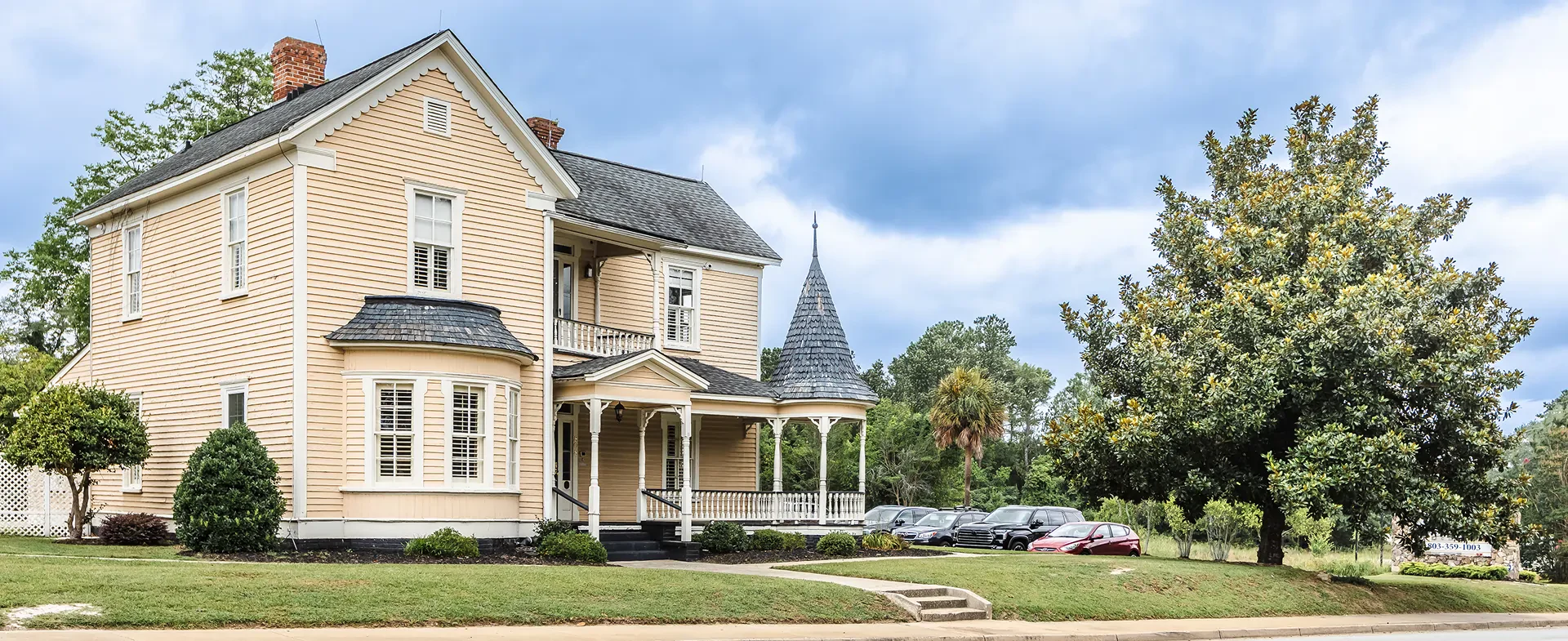
We start every theft case by looking at where the dollar amount on your warrant came from. From our office in a century-old home in Lexington, our firm represents clients across the Midlands in magistrate court, municipal court, and General Sessions. Call (803) 359-1003 or contact our firm online to schedule your case review.